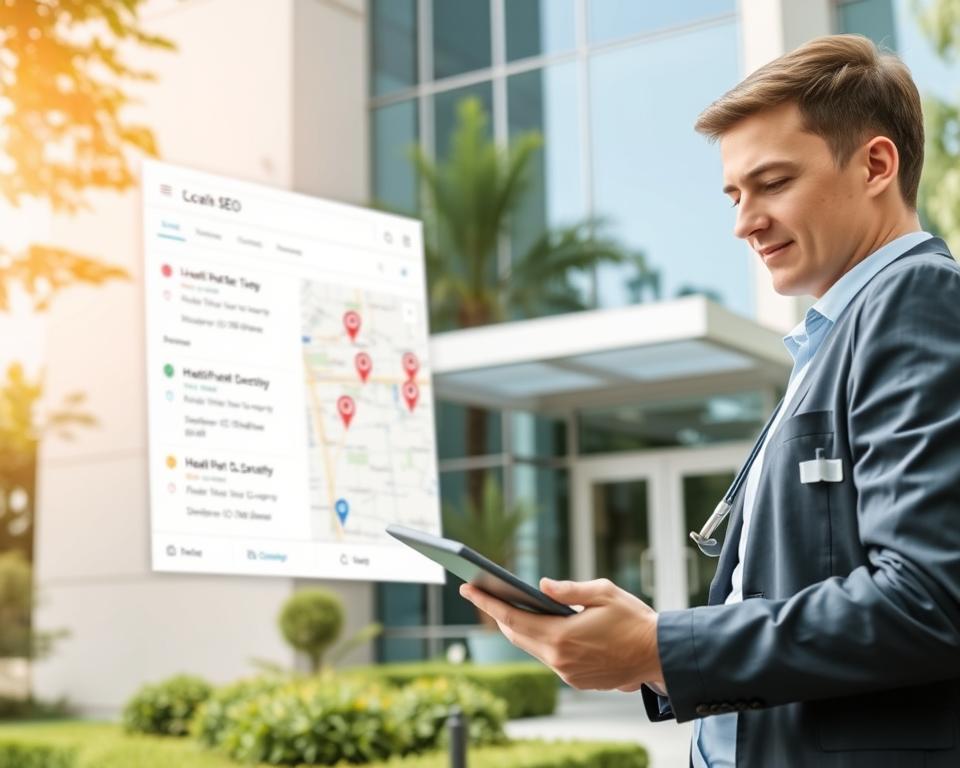
Community-based search engine optimisation for healthcare is vital for medical clinics to rank in location-based searches. With the growth of smartphone adoption and map-based search, improving your web presence is key. That way that patients can quickly find and schedule an appointment with your clinic.
To enhance your clinic’s search visibility, concentrate on fine-tuning your Google Business Profile and using location-relevant keywords. Maintaining a accurate NAP (business details) across all platforms is equally important. Implementing schema markup , prompting reviews from patients, and securing quality local backlinks further boost your search presence.
By applying these healthcare SEO services tactics, your healthcare business can improve its exposure in both the local map pack and standard search results. This is essential to attract both urgent and routine visits. Ignoring local SEO can cause missed opportunities to better-optimised competitors.
Choosing a healthcare SEO specialist like Marketing 1on1 can significantly fast-track your progress. They handle the full process from profile setup to review management, ensuring your clinic’s local presence remains consistent and effective.
Initial improvements can appear in roughly 2 to 3 months, with more noticeable patient growth often expected in 6–12 months. Pricing for full local SEO management in the US can vary, often ranging from $1,500–$5,000 a month. Costs depend on factors such as competition level and what’s included.
Key Takeaways
- Healthcare local SEO helps clinics get found more easily on phones and in map results.
- Fine-tune GBP and keep NAP consistent across platforms.
- Patient reviews and community-focused content build trust and local map visibility.
- Marketing 1on1 healthcare SEO offers targeted services for U.S. clinics.
- Early improvements show up in roughly 2 to 3 months; meaningful growth often takes about 6 to 12 months.
- Budget usually ranges from $1,500 to $5,000 per month for complete local SEO management.
Why Local Visibility Matters for Clinics
Patients act differently when they need care nearby. Obvious local indicators help practices match patient needs. Solid local visibility cuts the time from search to scheduled visit. It also improves clinic discovery for those looking for urgent care.
Patient Search Behaviour and Local Intent
Phones fuel most on-the-go queries. Research shows many users call or go to a business within about a week of searching. In healthcare, detailed searches like symptom-based or service-focused queries often signal nearby intent.
Patients search for particular conditions and cities, such as “knee pain specialist near me” or “physical therapy Chicago”. These searches show they are prepared to book, not just learn more.
Why “Near Me” Searches Trigger Fast Patient Action
Near me searches and location-based modifiers like area names or “accepting new patients” signal a shift from browsing to action. A user searching for “walk-in clinic open now near me” likely needs care right away or a walk-in visit.
These searches are very high value. Practices that appear in local listings secure walk-ins and quick bookings. This helps stop patients choosing another clinic.
Competitive landscape: why clinics lose patients without local SEO
Overlooking Google Business Profile, Healthgrades, Zocdoc, and Yelp gives competitors an edge. Providers without optimised citations and neighbourhood pages are beaten by those prioritising local search signals.
Missing the Map Pack or top results often means missed referrals and spontaneous patient traffic. Ongoing local SEO prevents this leakage and strengthens visibility across various platforms.
Local SEO for Healthcare
Healthcare local SEO is designed to make clinics easily discoverable for nearby patients. It depends on fully completed Google Business Profile entries, correct medical categories, and service pages that align with patient queries. Using specific local keywords for services and conditions helps link urgent needs with open appointments.
What Local Healthcare SEO Focuses On
Local medical SEO prioritises optimising GBP entries. This includes primary and secondary categories, treatments, attributes, scheduling links, and images. It also involves creating local landing pages, implementing schema markup, checking citations, and managing reviews.
Healthgrades, Zocdoc, Vitals, and specialty citations are more critical for medical practices than for most other industries. Nearby backlinks from local hospitals, medical associations, and community organisations strengthen trust signals and visibility.
Differences between general SEO and local healthcare SEO
Standard SEO targets broad authority and broad topic rankings. It involves wide-ranging content programs. In contrast, medical local SEO targets location modifiers, Google Business Profile and map pack visibility, and NAP consistency. It also focuses on citations in local directories and review count and frequency.
Clinic teams must select accurate medical listing categories like “Pain Management Physician” or “Physical Therapy Centre”. That precision is more important for patient confidence than generic content.
Expected Timeline for Results in the United States Market
The SEO timeline for medical practices in the United States typically starts with quick GBP wins. Early listing improvements can show visible changes in 2–3 months. Traffic and conversion gains usually come next in 3–6 months.
Meaningful authority gains and best ROI take 6–12 months, depending on competition and resources. A phased approach prioritising GBP quick wins and expanding on-site content and local outreach works best for steady growth.
Optimise Your Google Business Profile to Win the Map Pack
A fully completed and optimised GBP is key for medical practices to appear in high-intent patient searches. It improves booking rates. Confirm every field is filled to match the clinic’s branding and business details precisely. Add appointment links and special hours to make access easier for patients looking for care.
Completing every field: hours, services, attributes, appointment links
Start with a correct business name, street address, primary number, and any additional numbers. Clearly list business hours and holiday schedules. Separate services into individual items for map listings to show service details. Use GBP attributes like same-day visits, insurance accepted, and free parking to quickly answer common questions.
Choosing medical categories and specialties for accurate visibility
Pick the most detailed Google categories that are available. Choose Family Physician, Dermatology Clinic, Physical Therapist, or Pain Management Physician over generic healthcare labels. That specificity improves relevance for niche searches and increases the likelihood of showing up in Map Pack searches for medical care.
Using GBP posts, photos, and Q&A to boost engagement
Consistently share GBP posts to promote treatments, community events, and patient success stories. Include images and short clips that feature the clinic, treatment rooms, and staff. Use the Q&A section to answer in advance common patient questions and feature accurate replies for fast access to trusted information.
Review Management and Responding to Patient Feedback
Implement review collection at checkout and through automated reminders with a direct link. Monitor and answer every review promptly and professionally. Respond to critical feedback, offer privacy-safe follow-up options, and use comments to refine processes and the patient experience.
Track GBP Insights for search queries, call clicks, map direction clicks, and photo views. A regular effort in Google Business Profile optimisation, along with consistent review replies and healthcare GBP posts, increases the likelihood of showing in medical Map Pack results and turning patients close by.
On-Page Local Optimisation and Technical Signals
Kick off by publishing pages that focus on each clinic location. Create a distinct service page for every office and for key neighbourhoods. Include nearby medical centres, public transport options, local landmarks, and local patient concerns to improve relevance and prevent keyword overlap.
Location-Targeted Service Pages should include clear directions, parking and transport tips, and services aligned to local demand. Use short headings, FAQ sections, and appointment calls-to-action to help patients find answers quickly. Ensure content is scannable with bulleted lists and keep one main point per paragraph.
Schema for Providers can increase rich snippets. Implement LocalBusiness and MedicalBusiness schema with provider names, qualifications, specialties and services, full address, phone, opening hours, insurance accepted, types of services, aggregateRating, and appointment URL. Accurate healthcare schema markup improves the odds that engines display hours, ratings, and treatment details directly in SERPs.
Routine NAP audits are necessary to ensure consistent citations across online directories. Check GBP, Healthgrades, Zocdoc, Vitals, Yelp, YellowPages, and chamber listings. Standardise short forms, unit numbers, and number formatting. Remove duplicate listings and wrong addresses to improve location signals during healthcare on-page local optimisation.
Technical performance are essential for patient experience. Emphasise quick load times, compressed images, fast hosting, and a mobile-first design. A frictionless mobile UX clinic website allows patients to tap to call, schedule, or get directions in one tap. Use clear headings and structure and schema-enhanced snippets to deliver answers without more steps.
Below is a simple comparison of standard on-page tasks and technical tasks, their influence on local rankings, and a basic implementation priority for practices.
| Task | Impact on Local Visibility | Priority |
|---|---|---|
| Location-targeted location pages | Boosts relevance for local searches and reduces keyword overlap | High |
| Healthcare structured data | Allows rich results to show hours, ratings, and services | High |
| Directory NAP audits | Strengthens local signals and trust for map rankings | High |
| Site speed and image optimization | Reduces bounce, increases conversions on mobile searches | Medium |
| Clinic website mobile UX improvements | Reduces friction for bookings and calls on mobile | High |
| Structured FAQs and content snippets | Helps answer queries fast and supports featured snippets | Medium |
Marketing 1on1 offers technical audits and fixes tailored to healthcare. Centre audits on page speed, mobile speed and usability, and precise schema implementation. That way practice websites serve patients and Google just as well.
Content and Local Outreach Strategies That Drive Patients
Successful local content and outreach are key to attracting local patients. Prioritise producing practical content that solve common questions and tie to local events. Sharing real patient journeys also helps. Brief, clear content is ideal for time-poor readers and search engines.
Publish community health guides that match seasonal concerns. Discuss allergy peaks, when to get flu shots, and heat-related illnesses. These timely articles attract high-intent traffic and help keep your pages useful to local health concerns.
Create city and neighbourhood-focused landing pages for each office. Include staff hours, available services, FAQs tied to the neighborhood, and popular landmarks. Unique content on each page avoids keyword cannibalisation and improves location rankings for community SEO clinics.
Forge connections with fitness centres, education providers, non-profits, and community centers to grow visibility. Host co-hosted events, offer health talks, and share guest posts to earn local backlinks healthcare. Local press releases about new services or events can build citations in community publications.
Post confirmed provider bios, licensing details, and simple explanations of procedures. Add anonymous patient case stories with patient consent to show outcomes. Patient stories that support E-E-A-T build credibility and comfort potential patients browsing for care.
Use a publishing calendar to switch between evergreen content, seasonal tips, and local news. Brief posts can point to longer guides on treating conditions. This approach keeps sites current while developing many entry points for local search queries.
Create a basic outreach checklist: pick local partners, write a media release, seek contributed post opportunities, and ask partners for website links on partner event pages. Measure results to see which local backlinks healthcare bring the most visits and referrals.
Post patient stories across GBP posts, email newsletters, and social platforms. Keep stories accurate and approved, with provider context to highlight clinical expertise. This mix of storytelling and evidence builds trust quickly.
Monitor performance with location-level metrics and adjust content based on what attracts appointments. Ongoing updates to local healthcare content and ongoing partnerships help community SEO clinics turn visibility into actual visits.
Reputation Management and Review Growth
Clinic reputation now plays an essential role in patient choice. Providers that integrate review generation into their daily operations gain trust and local visibility. It’s essential to find balance between automation and human interaction to keep efficient workflows and regulatory compliance.
Operationalising Review Requests
Coach the front desk team to introduce review invitations at checkout. Send an automated SMS message or follow-up email 1–3 days after visits with a one-click link to the chosen review platform. Track which messages perform best and improve timing and wording.
Responding to reviews professionally
Reply to positive feedback with a brief, specific thank-you that mentions the service. For critical reviews, show understanding and offer an offline channel to work through the issue. Clear, calm public responses influence perception for prospective patients.
Monitoring Mentions and Patient Sentiment
Set up regular checks to review mentions and to monitor patient sentiment across directories and social media. Use a mix of tools and manual checks to identify trends and address problems before they become bigger.
Leveraging platform-specific reviews
Claim and optimise profiles on GBP, Healthgrades, Zocdoc, and Yelp. Each platform reaches different patient groups; prompt reviews where patients already participate. Shape outreach to emphasise appointments on Zocdoc and doctor details on Healthgrades.
| Action | How to Implement | Primary Benefit |
|---|---|---|
| In-office ask | Checkout script with a printed card that links to GBP or a preferred directory | More immediate review responses |
| Automated reminder | SMS/email 1–3 days post-visit with direct links to reviews GBP Healthgrades Zocdoc Yelp | Makes review generation scalable |
| Reply templates | Pre-written replies for positive and negative reviews that follow privacy rules | Consistent and professional public voice |
| Mention tracking | Daily alerts and weekly summaries to monitor patient sentiment and brand mentions | Quicker issue resolution and trend visibility |
| Directory optimization | Finish profiles, refresh photos, and list services and specialties on each platform | Improved local discovery and trust |
Healthcare reputation management should be an ongoing process, not a one-off project. Measure which tactics drive results and keep messaging patient focused. A steady focus on review generation for clinics and tools to monitor patient sentiment builds long-term credibility and increases bookings.
Measuring Local SEO Success for Clinics
Start with a clear plan to link search activity to patient outcomes. Monitor Google Business Profile metrics, rank movement, page traffic, and conversion actions. This method ensures clinics can measure local SEO results by connecting visibility to bookings and calls.
Top Metrics to Track
GBP insights metrics like search queries, views, direction requests, and phone calls are critical. Also, track local ranking positions for primary keywords. Track organic visits to each location landing page and record conversions such as calls, contact form submissions, and appointment bookings.
Linking Analytics to Patient Acquisition
Set up SEO-to-EMR tracking by labelling referral sources in scheduling tools and electronic medical record systems. Match website or GBP touchpoints to patient records to calculate which searches and pages produce booked appointments. Clinics that align analytics with EMR data gain a better view of marketing-driven patient acquisition.
Running regular local SEO audits
Perform audits every 60 to 90 days covering GBP completeness and accuracy, NAP consistency, on-page metadata, structured data, backlink health, review frequency, and website performance. Focus on fixes that move conversions first, then address content gaps and local link opportunities.
Investment and ROI expectations
Standard monthly spend for local SEO management ranges from $1,500 to $5,000 per month in U.S. markets. Providers often see first visibility gains within about 2–3 months and noticeable patient growth by 6–12 months. Use local SEO ROI healthcare calculations that account for average patient lifetime value and conversion rates to set realistic targets.
Dashboarding and optimization
Create dashboards that blend GBP Insights metrics, web analytics, and EMR conversion data. Go over these dashboards with clinicians and office managers to focus on changes. Frequent review cycles let teams adjust budget and tactics toward the top-performing local pages and services.
Audit Checklist
- Google Business Profile completeness and category accuracy
- Ranking positions for target local keywords
- On-page SEO: titles, metas, schema
- Citation and NAP consistency across directories
- Backlink profile and review sentiment
- Conversion tracking connected to EMR or booking systems
When clinics concentrate on these items, they can reliably measure clinic local SEO and improve results. Regular audits, linked analytics, and clear ROI modeling produce a repeatable system for consistent growth.
Closing Summary
Conclusion: clinics that focus on nearby patients book more appointments. Core elements—GBP optimisation, location pages, schema markup, citation accuracy, review systems, and local partnerships—work together to boost calls, bookings, and walk-ins. Fast wins often come from improving GBP details and prompting patient reviews, which improve visibility quickly.
Long-term growth requires technical updates, consistent content, and link-building from community partners. Assess success with Google Business Profile Insights, local ranking changes, organic site traffic, and by connecting digital metrics to your EMR or appointment system. A clear clinic visibility summary makes it simpler to show which activities drive patient acquisition and calculate ROI.
For clinics in the United States looking for support, Marketing 1on1 local SEO services can handle listings, optimise on-site technical factors, create neighborhood content, and run reputation programs that generate measurable patient growth. With a reliable local strategy, clinics become the top choice when patients close by search for care.